
Mud, Fire, and Mulch
If I died tomorrow, no one would shed a tear. Load my fricking lard carcass into the mud. No coffin, please—just wet, wet mud… bae.
There is some wisdom, it seems, in thinking about death. The Stoics think about death constantly. They won’t stop thinking about death. Memento mori, they say—remember that you must die. Morbid, maybe, but the idea is that it brings perspective. It helps you put things in the right place.
So, like a good little boy, I started thinking about death. About dying. About being dead.
As many things do, this immediately turned practical.
My soul can flit off to wherever it chooses, but what about my bones?
How many people really think about what happens to their bodies? I know I never did. It’s unsettling, and so the Death Industrial Complex—Big Death—has largely decided for us. It’s a full-service offering. You don’t need to worry about a thing.
At least in America, we separate ourselves from death quite effectively. We see people die constantly on TV, in movies, on Instagram—but rarely in real life. I’m not saying this is a bad thing, exactly. But witnessing death does provide a certain psychological calibration, a tuning of perspective.
I lived a blessed life. When I was young, only grandparents died, and that was relatively easy to understand. It was framed as natural, expected—importantly, far off for me. This is a departure from our evolutionary upbringing, and there’s no obvious solution. Just an observation.
Even our pets are taken care of for us. They’re removed, cremated, returned—often without us seeing much of the process. Out of a mix of cheapness and sentimentality, I’ve buried a few of our dogs in the backyard when they passed. It was surprisingly therapeutic.
I’ve seen my grandparents buried. I’ve buried beloved pets. And yet—I don’t think I want the same.
Options
Until recently, I assumed burial in a cemetery was the default. But according to statistics from the National Funeral Directors Association, that’s increasingly not the case. They expect 63.4% of deaths in 2025 to result in cremation. By 2045, over 80% of us will be lit on fire on our way to Valhalla.
The grim reality is this: after the final sauna session, they remove all our cyborg parts—pacemakers, replacement joints, Neuralinks—then pulverize what remains and add it to the ash pile. My Aunt Porky put it best when she said cremation feels like you’re just… gone. Erased.
Cremation is space-efficient. It allows for urns and scattering in meaningful places. But it feels hyper-practical. Almost too clean. Funeral pyres would at least have some ceremony to them.
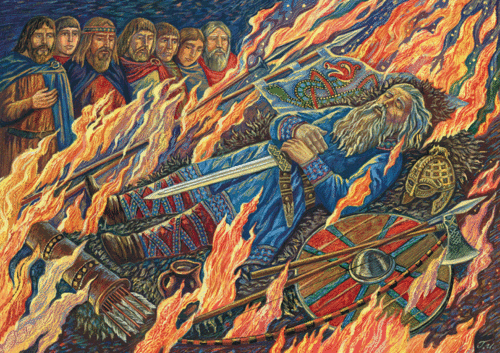
I have a vague and undefined certainty that cemeteries represent a rejection of the natural order. A shaking of the fist at the gods.
If your family is swept along by Big Death in their grief, they’ll likely choose a metal box lined with padding, sealed with a gasket “for protection.” These caskets range from $2,000 to well north of $10,000. Your body is embalmed—pumped full of formaldehyde and fillers, hair and makeup done—then arranged as if still alive.
Many cemeteries require concrete vaults to prevent ground settling. You, your box, and a slurry of industrial chemicals leach into the soil over the coming months. Eventually, the chemicals break down. Most things do. But something about it feels off.
You’re locking away your atoms indefinitely, poisoning the ground in the process. Cemeteries become unusable spaces for generations. Cemeteries stay cemeteries.
What if we just… moved them?
It’s nearly impossible. The legal gymnastics are immense, and cemeteries must be relocated, not erased. They often become parks—which, frankly, feels like an upgrade. Instead, what we get is a Costco built around the cemetery. Lovely.
The way cemeteries are laid out—rows of headstones—renders them useful for little besides remembrance. I think there’s a better way to do both.
There’s also water cremation. Somehow, that’s even more offensive. Aunt Porky would hate it. Nobody tell her.
Better Options
I don’t want to be buried.
At least—not like that.
There are alternatives that feel more appealing, more generous, and more aligned with the living world. I’m not an environmental zealot, but I’m not indifferent either. When I interrogate my mind, I notice a few things: I like planting trees. I dislike the idea of being sealed in a box forever. And I think our industrial chemical powers are badly misapplied when it comes to death.
Green burials get closer to the mark. No embalming. No vaults. Biodegradable containers. If staying intact matters to you, this is a gentler option.
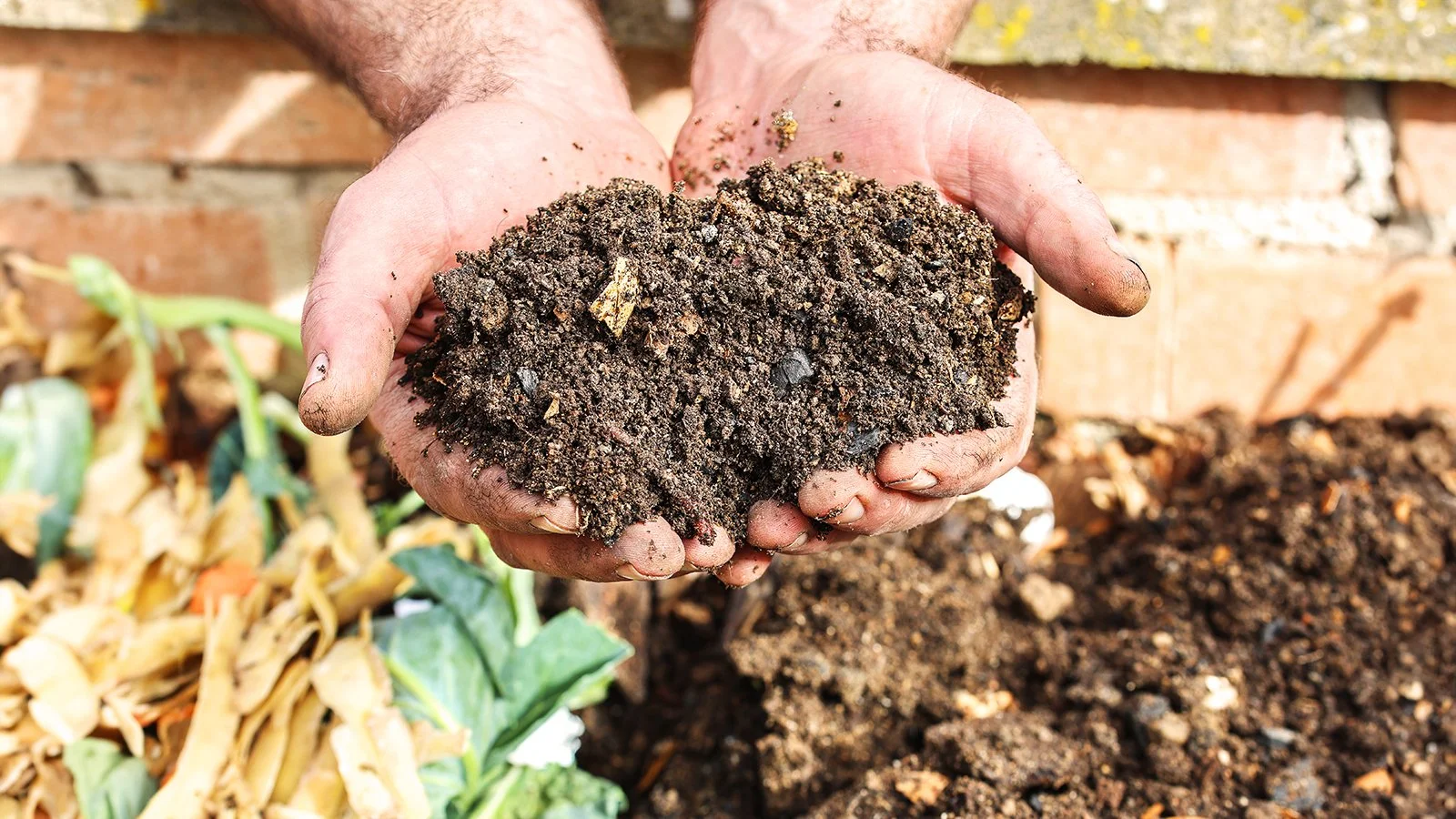
Then there’s Terramation—an old idea with modern application. The body is placed in a closed vessel with organic material like wood chips or straw. Over 30–60 days, it decomposes. Families can participate, adding flowers or bio-degradable tokens. Bones are mechanically reduced(read: blended), and what remains is clean, usable soil—no longer considered human remains.
You end up with about a cubic yard of rich earth. Odorless. Safe. Good for forests, gardens, houseplants. Or—my favorite—trees.
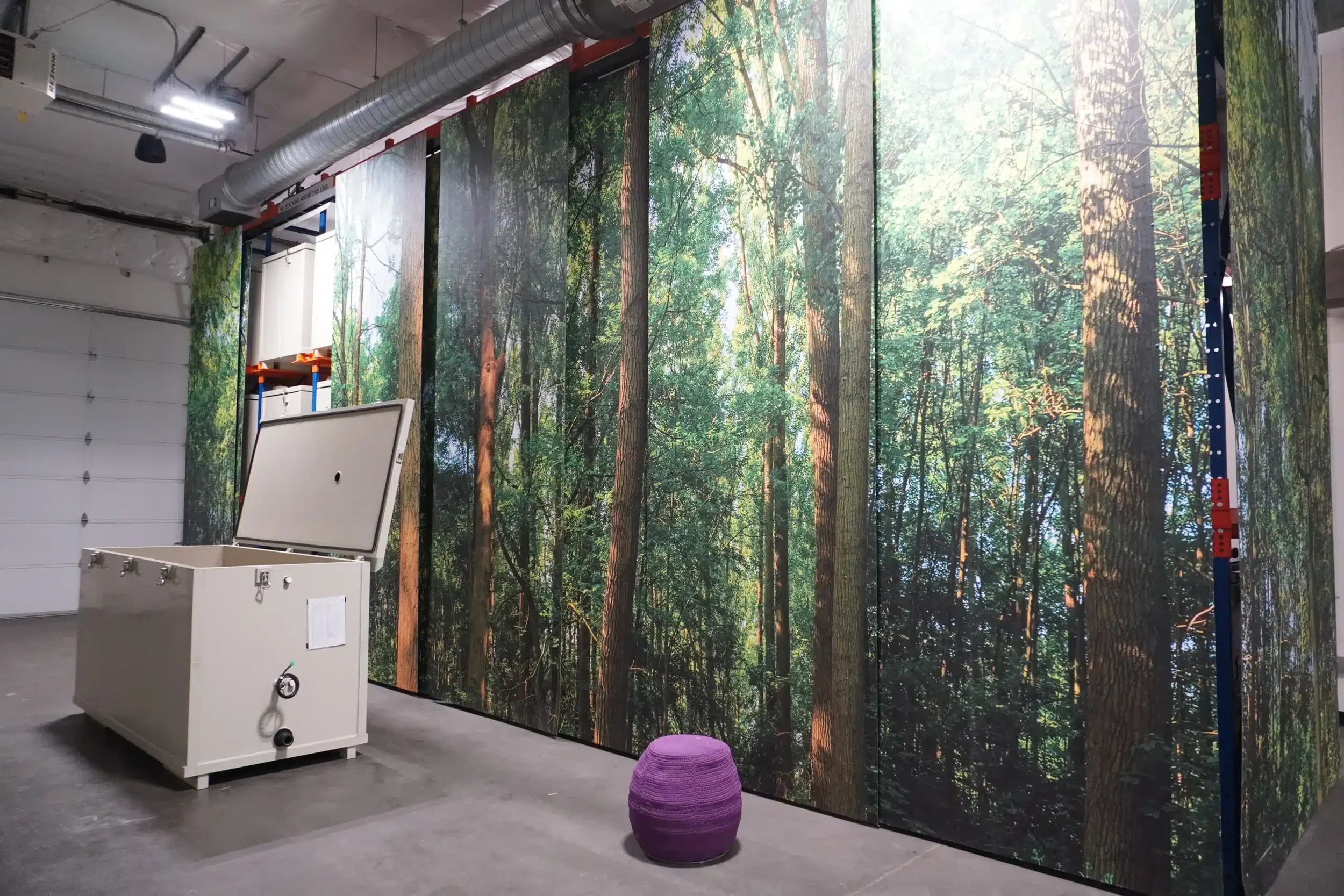
Now combine green burial or terramation with conservation cemeteries: protected land where natural burials actively support ecological restoration. Organizations like the Green Burial Council are helping make this legal and accessible in more places.
This returns your body to the Earth in a way that’s safe, respectful, and generative. It feels closer to the point.
From dust to dust is fine.
But dust to soil feels better.
Imagine gardens designed not just for remembrance, but for life. Imagine sitting under a tree nourished—slowly, quietly—by those who came before you. Getting engaged under it. Getting married under it.
What if, instead of spending tens of thousands on Big Death’s products, your final act was something that fed the world you’re leaving?
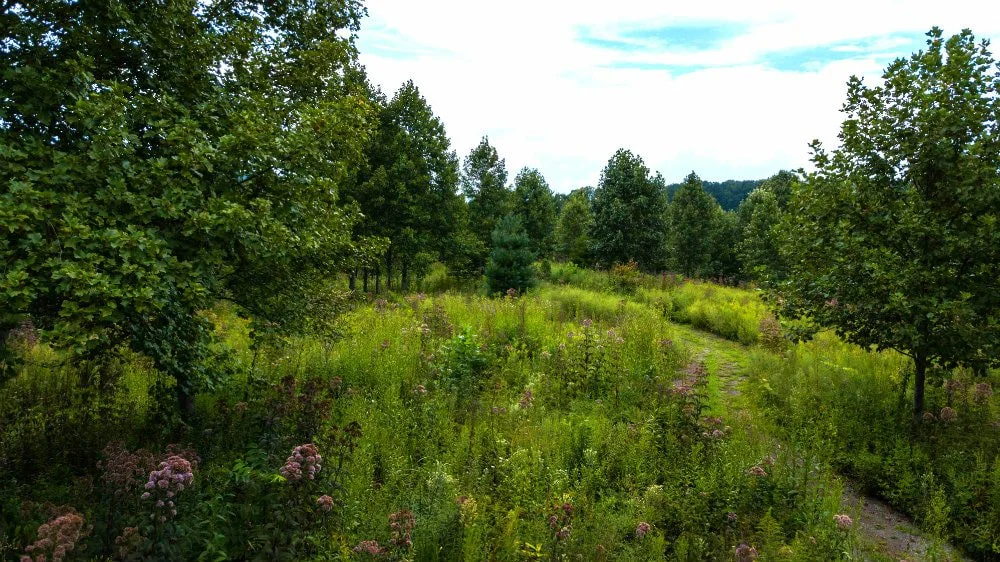
A society grows great when old men plant trees whose shade they know they shall never sit in.
-Greek Proverb
So when I go—
no coffin, please.