
The Age of the Sherpa
“If more information were the answer, then we’d all be billionaires with perfect abs.” —Derek Sivers
We still go to professionals—doctors, therapists, strength coaches—because they hold information we lack. But increasingly, that’s no longer true.
Before the internet and AI, if you needed specific, expert advice, you had to find a person. There wasn’t really anywhere to look it up. Where would you look—an encyclopedia? A medical textbook? Impossible, especially for anything tailored to your specific situation.
Now you can get the explanatory theory, the drug interaction risks, or even chat with a robot about Jungian vs. Adlerian psychology. Mark Rippetoe will explain the deadlift to you in a YouTube video. But society hasn’t really caught up. It’s still structured around the old paradigm of information scarcity. We pay schools to cram information into people’s brains, then we test that knowledge and people become pros at whatever they specialized in. We then pay these professionals to dispense it—but the information is available now. That’s not what we need these people for anymore.
We’ll stop paying for information and instead search for a guide to walk with us.
With the dawn of the AI era, you and I can find almost any information we need. We can chat with a robot and it will spew more information than we can understand or remember. Yes—it makes mistakes. But that’s getting exponentially better and is a temporary problem. We already had plenty of information with Google. We could find articles, blogs, and videos on anything we wanted and now there are any number of robots to present it to us on a pillow.
The issue now is using this information. Questions like “Is this right for me?” or “What about my particular situation?” stop us from acting. Now, you can ask the robot these questions and it will answer them. But I’ve had the experience where it really doesn’t satisfy. The answers don’t land. Something is still missing.
Here’s a thought experiment: Say I had the same conversation with ChatGPT about a topic or had the same conversation with Tim Ferriss, Andrew Huberman, or Tony Robbins. I think I’d be far more likely to follow the advice of the real people—especially if they planned to follow my progress. (Can you imagine? Glorious and terrifying.)
Almost any real person would be more effective. What is that? Why would I care so much more?
There’s an emotional resonance—that connection with a real person—that feels so much more powerful than an AI. I can just leave the AI on read and not worry about it at all. But if someone really invested in me and followed up on the advice they gave, it would be really uncomfortable if I didn’t implement it.
Imagine someone like this looking you in the eyes and saying, “Go this way. I’ll be watching. Cheering. Guiding.” That would be 10X effective. Can you feel it?

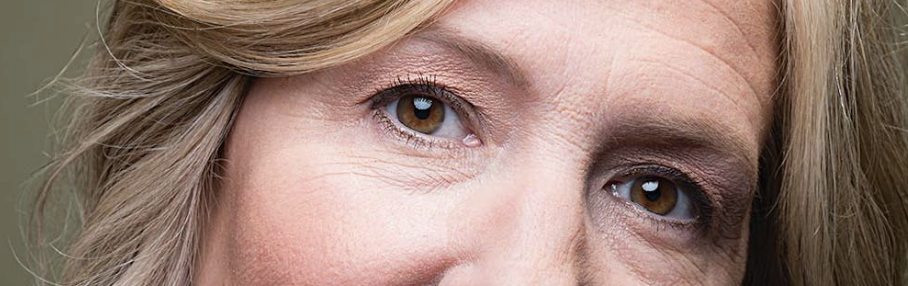
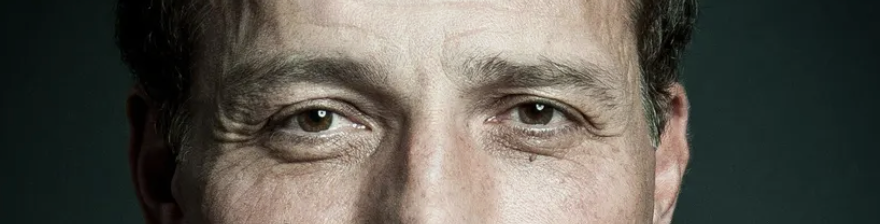
It’s human connection.
This almost feels religious at times. The words we use give it away.
We say things like:
“Who do you follow?”
“Mark Rippetoe says men should weigh over 200 lbs and lift very heavy things.”
“But Kelly Starrett says that mobility is pretty important.”
“The Knees Over Toes Guy recommends backward walking and wearing barefoot shoes.”
“I worship Dr. Mike Israetel. He uses steroids—I’ll look into that.”
“What Would Arnold Do—WWAD”
We buy their energy drinks. Their supplements.
I study the works of Tim Ferriss. I sacrifice to the creatine goddess, Dr. Rhonda Patrick. I would sit at the feet of Joseph Campbell if he were still living.
We don’t just consume their information; we adopt their way of being, their way of speaking and acting.
We need our advice-givers to be like us in some way—this makes their guidance feel attainable. It’s why we like to see them struggle and sometimes fail: we see ourselves in a flawed guide. We all have our own influences and influencers.
Our AI mentors won’t give us these religious feelings—or at least I hope not.
Another part of this is the question: “What do we aim at?” Life presents so many more paths and options than in the past. You can code, be a farmer, be a trad wife, or be a tradwife-farmer with chickens and a small donkey.
“There are no solutions, only trade-offs.”—Thomas Sowell
Everything is on display. Everything is open to you.
Do you lock in and work on that grindset? Do you show up for your 40 hours and slack off—because late-stage capitalism.
Do you become a runner or a powerlifter? You can’t really be good at both.
We increasingly toil under the paradox of choice. Knowing our own minds is harder than it ought to be.
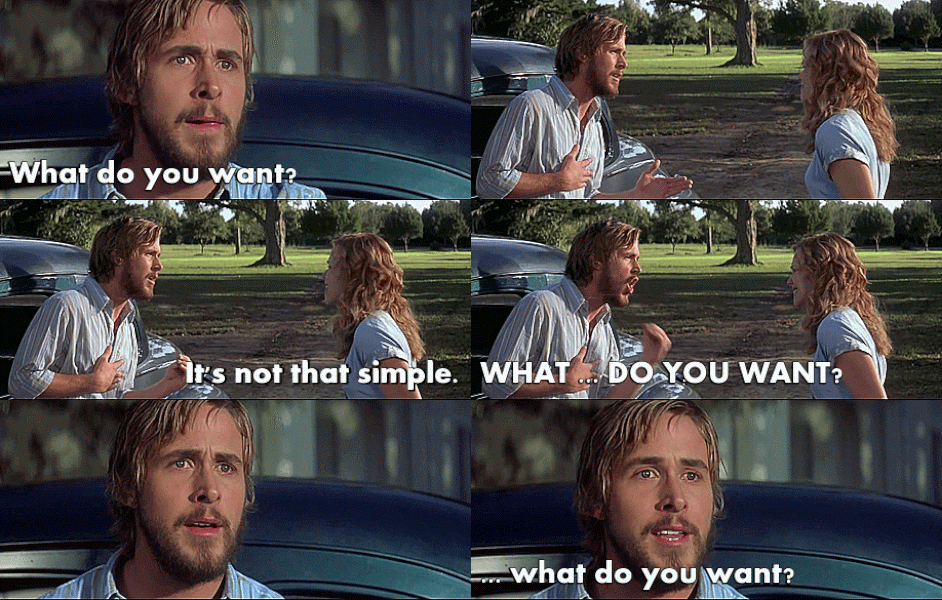

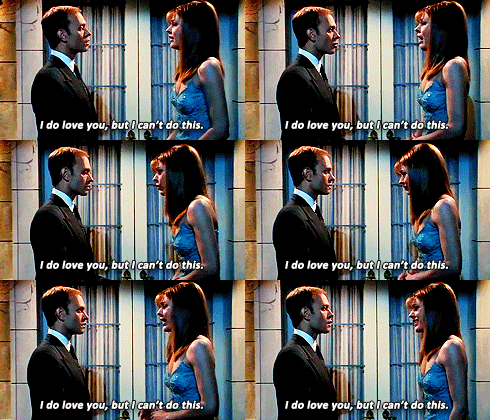
A good book, coach, or therapist helps you interrogate your own heart and mind. They can help you flesh out your dreams enough to make them real. You might actually go after them if you dared to paint a vivid enough picture. This part of Tim Ferriss’ episode (1:34 if you don’t want the preamble) with Debbie Millman is something I’ve come back to multiple times. Debbie leads Tim through a powerful exercise of imagining the perfect day or life. It’s a way of casting yourself forward into a dream life. I dare you to try this and write your own 10-year plan for a remarkable life. Please tell me about it if you do—I’d love to hear it.
We’d all do better if we had someone to help us choose the best from all the good answers at our fingertips. Someone to guide us toward peak health or fulfillment.
And then hold us to task.
They’ll have what we want.
The abs. The relationship. The equanimity.
They’ll be farther down the path than we are, and we’ll want to be like them.
This type of thing exists now and it’s growing. People aren’t just calling themselves life coaches—someone is paying them. The general coaching industry has more than doubled in the past 10 years. That isn’t a straight line either; it’s accelerating.
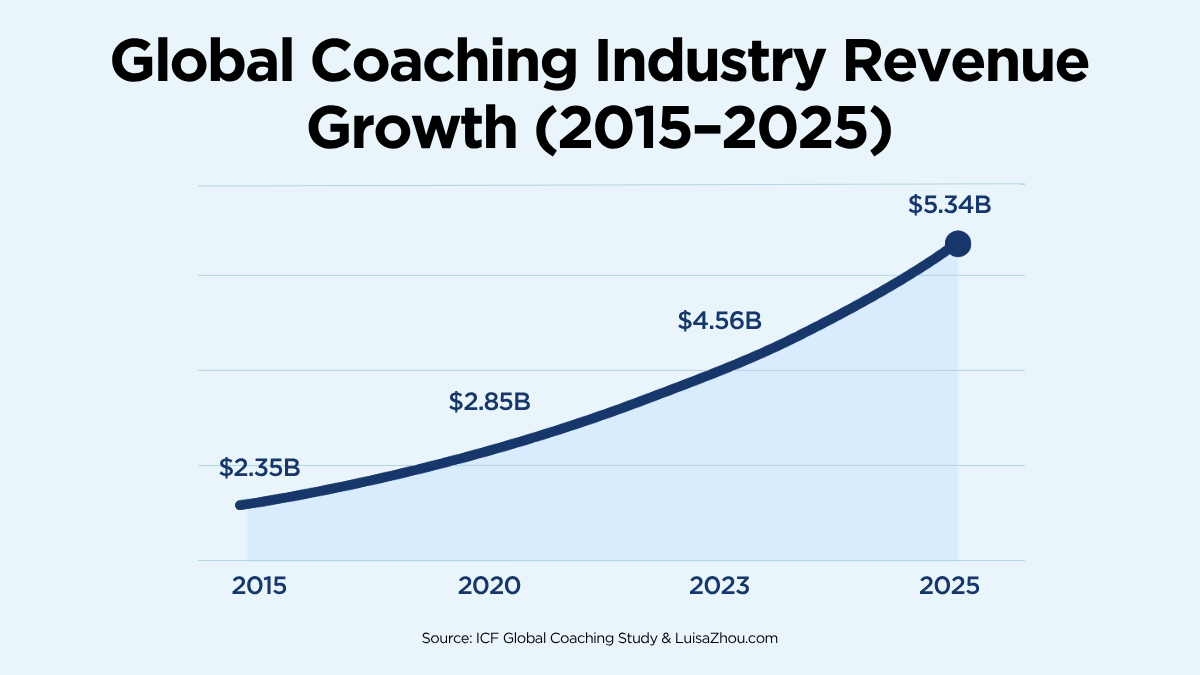
My prediction is that more of our time and economy will flow to—and through—these life sherpas.
We’ll call them fitness trainers, life coaches, dietitians, doctors, business coaches, therapists, pastors, and priests. You’ll have a tribe of them—some paid, some unpaid.
Michael Jordan had a coach. Tiger Woods had a coach. Why can’t you have one?
These people will care about you and want the best for you. They’ll specialize in helping you figure out how to get where you want to go. Connection, psychology, mindset, cognitive bias, spiritual practice, habit formation—all of it will be weaponized against our lower selves in service of our highest purposes.
We’ll have more weekend getaways, more seminars, more retreats to help us locate our paths as the world changes around us. This is an extremely human thing. A natural thing. An old thing.
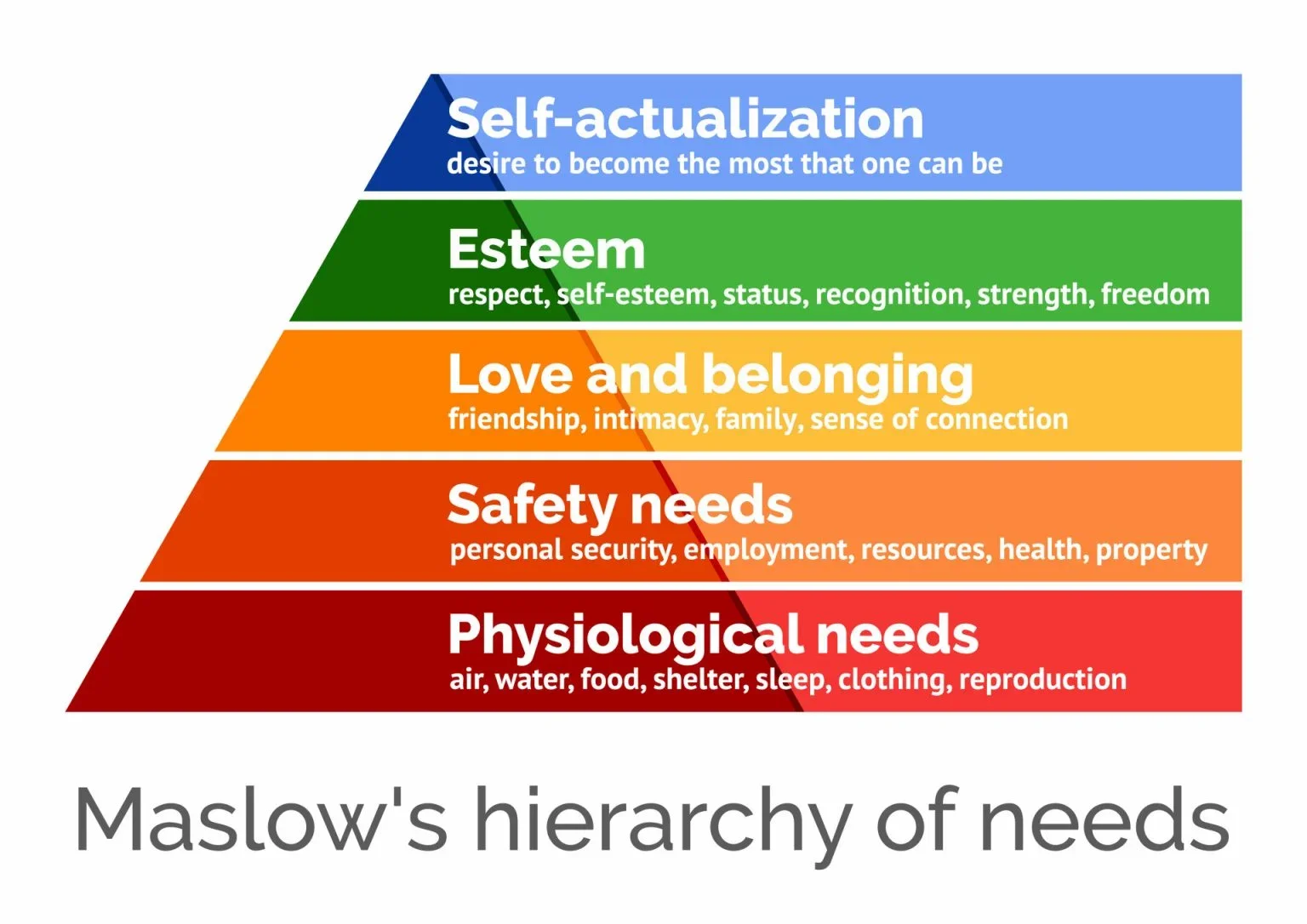
Technology is making basic survival and safety easier each day. As more layers of Maslow’s hierarchy of needs get satisfied, we’ll search for meaning and self-actualization all the harder.
And the help we need along the way will be there—human, looking us in the eye.